Break Free from Repeating Relationship Patterns
Relationships, Personal Growth, Emotional Wellbeing
Why You Keep Repeating the Same Relationship Patterns (And How to Break Free)
If you’ve ever caught yourself thinking, “How on earth did I end up here again?”, you’re not alone. Many of us find ourselves stuck in familiar relationship patterns, replaying the same arguments, attracting similar partners, or feeling the same old hurt. The good news is that these repeating cycles aren’t a life sentence. With a bit of self-awareness, curiosity and compassion, you really can break free and create healthier, more satisfying connections.
What Are Relationship Patterns, Really?
Relationship patterns are the familiar ways you tend to think, feel and behave with others, especially in close relationships. They show up in who you’re drawn to, how you communicate, how you handle conflict, and even how you end things. Over time, these patterns can become so automatic that they feel like your only option, rather than just one of many possible ways to relate.
You might notice that you often:
Choose emotionally unavailable partners and end up feeling rejected or invisible
Become the “rescuer”, always fixing and supporting, but never really being supported yourself
Avoid conflict at all costs, then suddenly explode when it all gets too much
These repeating cycles might look different on the surface, but underneath, the emotional script is often the same. Understanding why those scripts exist is the first step towards changing them.
Why You Keep Repeating the Same Relationship Patterns
It can be tempting to blame bad luck or “all men/all women” when your love life feels like a broken record. But relationship patterns usually have deeper roots. They’re often shaped by a mix of early experiences, unhealed wounds and the stories you’ve come to believe about yourself and others.
1. Familiar Feels Safe – Even When It Hurts
As humans, we are wired to seek what feels familiar. If you grew up around criticism, emotional distance or chaos, part of you may unconsciously seek out similar dynamics as an adult, simply because they feel “normal”. Your nervous system recognises the pattern and mistakes it for safety, even when it’s actually painful or unhealthy.
2. Unconscious Beliefs Shape Your Choices
Beneath the surface, you may hold powerful beliefs such as “I’m too much”, “I’m not enough”, or “People always leave”. These beliefs act like filters, colouring how you interpret your partner’s behaviour and which red flags you ignore. They can lead you straight back into situations that confirm the story you already believe about yourself.
3. Emotional Triggers Keep You on Autopilot
Emotional triggers are those moments when your reaction feels bigger than the situation in front of you. Your partner comes home late, and suddenly you’re flooded with panic, anger or shame. That reaction often has less to do with what’s happening now, and more to do with old pain being stirred up. When you’re triggered, your brain tends to switch into survival mode, repeating the same defensive moves: shutting down, clinging, attacking or people-pleasing.
💡 Gentle reminder: Triggers aren’t proof that you’re “too sensitive” or “broken”. They’re invitations to look at what still needs care and healing.
4. Lack of Self-awareness Keeps Patterns Hidden
It’s almost impossible to change a pattern you can’t see. Many of us move from one relationship to the next without pausing to reflect on our own role in the dynamic. That doesn’t mean you’re to blame for everything; it simply means there’s valuable information in how you show up, what you tolerate, and what you expect from love. Self-awareness shines a light on those blind spots, making change truly possible.
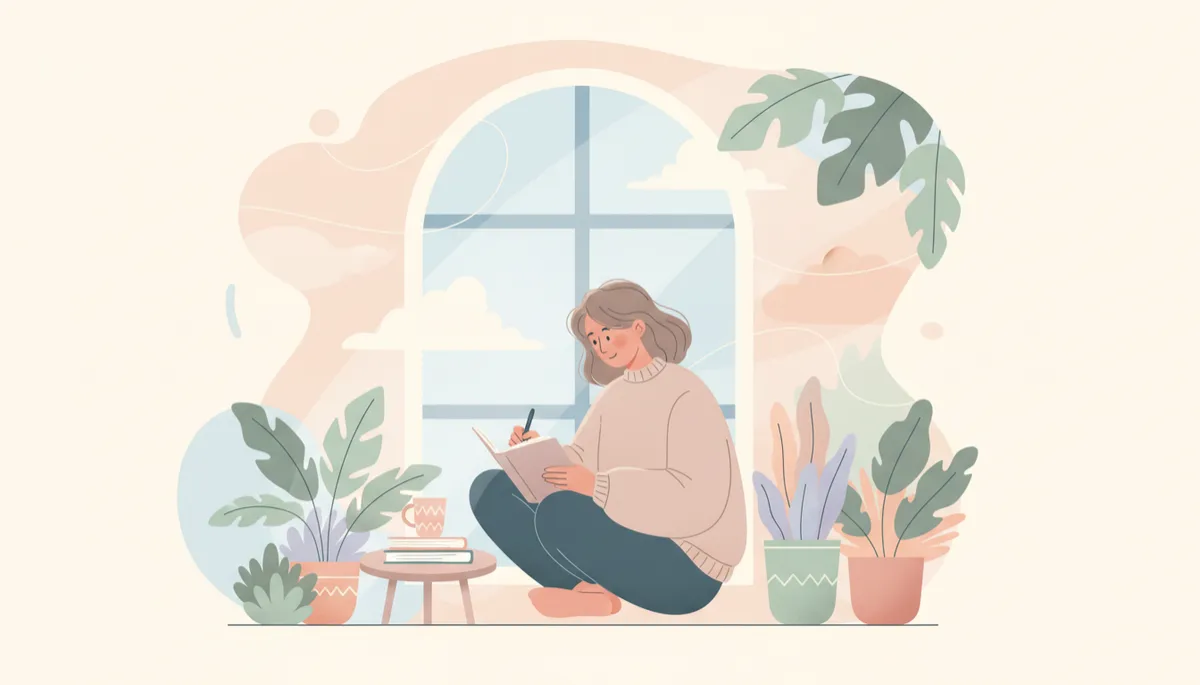
Regular reflection helps you spot repeating cycles long before they take over.
How to Break Free from Repeating Cycles
Breaking free from long-standing relationship patterns isn’t about becoming a perfect partner overnight. It’s about taking small, consistent steps towards more conscious choices. Here are some gentle, practical ways to start changing things from the inside out.
1. Name Your Pattern with Honesty and Kindness
Begin by simply noticing and naming what keeps happening. You might say, “I tend to chase people who give me crumbs of attention,” or “I shut down whenever someone gets too close.” Writing it down can be powerful. When you describe your relationship patterns clearly, you move them from the shadows into the light, where you can actually work with them.
2. Get Curious About Your Emotional Triggers
Instead of judging yourself for being “too emotional”, try getting curious. The next time you feel a strong reaction, pause and ask:
What exactly was said or done that set me off?
What does this feeling remind me of from my past?
What am I afraid will happen if I don’t react this way?
This kind of gentle questioning builds self-awareness and helps you separate your current partner from old stories and hurts.
3. Practise the “Pause and Choose” Technique
One of the most effective ways to break free from autopilot reactions is to build in a pause. When you notice yourself about to repeat a familiar move – sending the angry text, silently withdrawing, begging someone to stay – take a breath and pause. Even ten seconds can make a difference.
In that pause, ask yourself: “What would I do here if I truly believed I was worthy of healthy love?” Then, choose one small action that aligns with that belief – maybe it’s speaking calmly, stating a boundary, or stepping away to calm down before responding. Over time, these tiny choices add up to a new pattern.
4. Strengthen Your Boundaries (With Yourself, Too)
Boundaries are not walls; they’re the healthy guidelines that protect your wellbeing. If your old pattern involved over-giving, tolerating disrespect or abandoning your own needs, practising clearer boundaries is a powerful way to interrupt the cycle. This might mean saying “no” more often, asking for reassurance when you need it, or deciding that certain behaviours are no longer acceptable in your relationships.
Remember, boundaries also apply to how you treat yourself. Noticing when you slip into harsh self-criticism – and choosing kinder inner dialogue instead – is a vital part of personal growth.
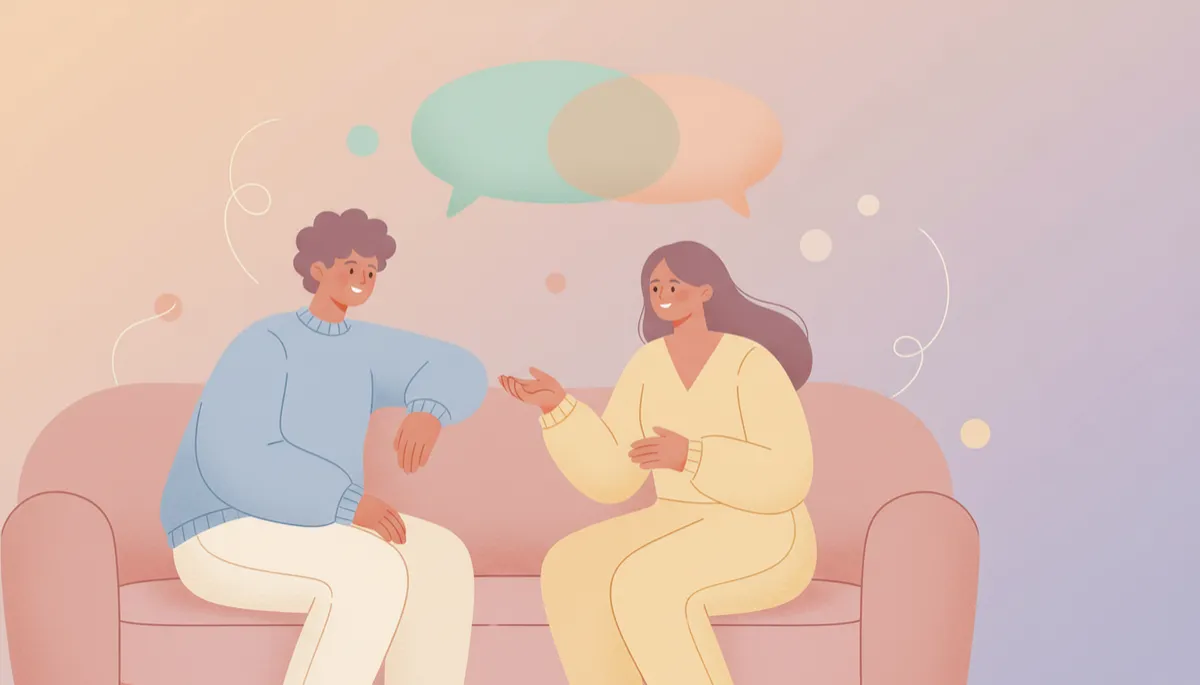
Honest, calm conversations support healthier patterns and deeper emotional safety.
5. Embrace Personal Growth as a Lifelong Journey
Changing relationship patterns isn’t a quick fix; it’s an ongoing process of learning, unlearning and trying again. There will be days when you fall back into old habits – that doesn’t mean you’ve failed. It simply means you’re human. Each time you notice a familiar pattern and respond even slightly differently, you’re rewiring your emotional pathways and reinforcing a new way of being.
📌 Key takeaway: Personal growth isn’t about never being triggered again; it’s about responding to your triggers with more awareness, care and choice.
When to Seek Extra Support
You don’t have to do this work alone. If your relationship patterns involve abuse, deep trauma, or feel too overwhelming to untangle by yourself, reaching out for professional support can be a brave and loving step. A therapist or counsellor can help you explore your history, understand your emotional triggers, and develop healthier ways of relating that feel safe and sustainable.
Trusted friends, support groups and relationship education resources can also be incredibly helpful. Sometimes simply hearing “me too” from someone who understands can ease shame and give you the courage to keep going.
Moving Forwards: Writing a New Relationship Story
Your past may explain your relationship patterns, but it doesn’t have to define your future. Every moment of self-awareness, every boundary you honour, and every time you pause instead of reacting on autopilot is a step towards a different kind of love – one that feels more grounded, mutual and kind.
You are allowed to outgrow what once felt familiar. You are allowed to choose partners who meet you with respect and care. And you are absolutely allowed to make mistakes along the way as you learn. Change doesn’t happen because you criticise yourself into it; it happens because you offer yourself the same understanding and patience you’d give to someone you love.
If you recognise yourself in these words, consider this your gentle invitation to begin. Notice one small pattern this week. Stay curious about one emotional trigger. Practise one new boundary or one mindful pause. These tiny acts of courage are how you truly break free from repeating cycles and create the kind of relationships – with others and with yourself – that you genuinely deserve.


